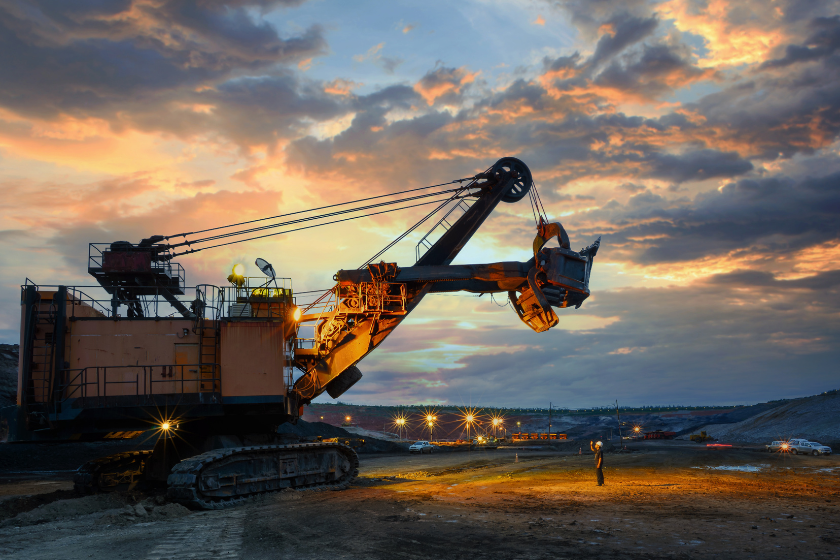
Europe’s carbon policy has reached a decisive moment. The question is not whether the EU remains committed to decarbonisation. It does. The real question is whether Europe can reduce emissions while protecting the industries that support jobs, trade, security, and technological leadership.
This is now visible in two connected policy developments. EU is considering extra free CO2 permits for heavy industry as competitiveness pressure grows. At the same time, the EU has backed a maritime industrial strategy to strengthen shipping security and decarbonisation.
In my view, this is not a contradiction. It is the reality of EU industrial decarbonisation. Europe is trying to keep climate discipline while responding to competitiveness pressure.
Introduction to EU Industrial Decarbonisation
EU industrial decarbonisation means cutting emissions from sectors that cannot transform through simple operational changes. Steel, chemicals, cement, refining, shipping, shipbuilding, ports, and energy-intensive manufacturing need major investment, reliable clean energy, alternative fuels, infrastructure, circular materials, data systems, and skilled people.
The EU Emissions Trading System, or EU ETS, sits at the centre of this transition. The system places a price on carbon and reduces the overall emissions cap over time. Following the 2023 ETS revision, the EU ETS emissions cap aims to cut emissions by 62% by 2030 compared with 2005 levels. This creates a strong signal for companies to decarbonise.
However, carbon pricing becomes politically difficult when industries face high energy costs, global competition, and cheap imports from regions with weaker climate rules. This is why the European Commission’s 11 May 2026 proposal matters. The Commission proposed updated EU ETS benchmark values for 2026–2030, which affect the level of free allowances for energy-intensive industries. According to the Commission, the proposed benchmarks would allow industry to continue receiving free allocation covering around 75% of emissions on average. The expected financial impact reaches around €4 billion over the 2026–2030 period.
This relief should not be treated as a pause in climate action. It should work as transition space. Companies that receive free allowances should use the time and financial flexibility to invest in cleaner production, electrification, renewable energy, energy efficiency, low-carbon fuels, circularity, and better carbon data.
Benefits of EU Industrial Decarbonisation
The benefits of EU industrial decarbonisation go beyond emissions reduction. A credible transition can strengthen Europe’s economy and improve corporate resilience.
First, it can reduce exposure to fossil fuel volatility. European companies learned during the energy crisis that energy dependence creates strategic risk. Efficiency, electrification, renewable power, and cleaner fuels can reduce that risk.
Second, it can support industrial competitiveness. Europe has strong capabilities in engineering, advanced manufacturing, clean technology, maritime equipment, shipbuilding, sustainability regulation and sustainable procurement. The Council of the EU’s conclusions on the EU maritime industrial strategy recognise maritime manufacturing and shipping as strategic sectors for competitiveness, resilience, economic security, defence readiness, prosperity, and decarbonisation.
Third, it can strengthen ESG credibility. Investors, customers, lenders, and regulators increasingly expect companies to show how they manage transition risk. Targets alone do not build trust. Companies need credible plans, verified data, capital allocation, and measurable progress.
Fourth, it can create a stronger market for sustainability expertise. EU industrial decarbonisation requires professionals who understand ESG strategy, EU ETS exposure, CBAM, Scope 1, 2, and 3 emissions, transition planning, clean fuels, assurance, and reporting. This is where sustainability consulting and professional training become central to business performance.
Practical Steps for Companies
Companies should treat the current EU policy shift as a planning signal.
First, they should map their full carbon exposure. This includes direct emissions, purchased energy, logistics, high-carbon materials, suppliers, imported goods, and customer requirements. For many companies, the real exposure sits outside the factory gate.
Second, they should connect carbon costs with investment decisions. If a company receives free allowances, management should ask a practical question: how will this support our transition plan? The answer should appear in capital expenditure, procurement, energy sourcing, supplier engagement, and board-level risk reviews.
Third, companies importing carbon-intensive goods into the EU must prepare for the Carbon Border Adjustment Mechanism, or CBAM. CBAM applies in its definitive regime from 2026 and aims to place a fair carbon price on selected carbon-intensive goods entering the EU. It covers sectors such as cement, iron and steel, aluminium, fertilisers, electricity, and hydrogen. CBAM also aligns with the gradual phase-out of free allowances under the EU ETS, which makes carbon data quality more important.
Fourth, maritime companies need to move faster. As I have argued in my analysis of the global carbon levy on shipping, maritime decarbonisation will require coordinated action across fuels, ports, cargo owners, shipowners, and regulators. Since 1 January 2024, CO2 emissions from large ships of 5,000 gross tonnage and above calling at or departing from ports in the European Economic Area have been included in the EU ETS. The European Maritime Safety Agency explains the EU ETS extension to maritime transport, including the practical implications for shipping companies. From 1 January 2026, methane and nitrous oxide also fall under the ETS scope for maritime transport.
Fifth, companies should explore EU funding. The Innovation Fund, financed by EU ETS revenues, has an estimated revenue of approximately €40 billion between 2020 and 2030. It supports clean energy and industrial decarbonisation technologies. This matters because transition plans need finance, not only reporting language.
Common Mistakes to Avoid
The first mistake is to see extra free CO2 permits as a sign that Europe is stepping away from climate policy. The opposite is closer to the truth. Regulation is becoming more complex, not less important.
The second mistake is to separate ESG reporting from industrial strategy. A sustainability report can describe emissions. It cannot reduce them. Companies need operational decisions, technology choices, supplier action, financing, and governance.
The third mistake is to underestimate maritime transition risk. Shipping decarbonisation is not only about vessels. It also involves ports, fuel infrastructure, digital systems, safety standards, shipyards, cargo owners, and skills.
The fourth mistake is to ignore people. In my work with companies and executives, I often see the same gap: sustainability commitments move faster than internal capabilities. Boards approve targets, but teams lack the training, tools, and data systems to implement them.
My View as a Sustainability Expert
EU industrial decarbonisation has become a credibility test for both policymakers and companies.
Policymakers must avoid two extremes. They should not weaken climate policy whenever industry faces pressure. They should also avoid designing rules that look strong on paper but fail in the real economy. Climate policy must support industrial transformation, not industrial decline.
Companies face an equally important test. They should not use policy flexibility as an excuse to delay action. Free allowances, CBAM adjustments, and EU funding should become tools for transition. They should help companies invest in cleaner technologies, stronger data, better governance, and more resilient supply chains.
The winners will be companies that treat carbon as a business variable, not only a compliance issue. This is also why ESG strategy will define corporate success in 2026: companies must connect emissions, investment, governance, and competitiveness. They will integrate emissions into investment decisions, supplier selection, product design, logistics, and executive accountability.
Europe’s next phase will reward those who can connect climate ambition with industrial execution.
FAQs
What is EU industrial decarbonisation in simple terms?
EU industrial decarbonisation means reducing emissions from heavy industry, shipping, ports, and manufacturing while keeping companies competitive. It includes carbon pricing, cleaner energy, low-carbon fuels, circular materials, CBAM, EU ETS, and stronger ESG governance.
How long does it take to understand EU industrial decarbonisation?
Professionals can understand the basics in a few weeks through focused ESG or sustainability training. Deeper expertise in EU ETS, CBAM, carbon accounting, maritime emissions, and transition planning requires continuous learning and practical project experience.
Is EU industrial decarbonisation worth it for career growth?
Yes. EU industrial decarbonisation is becoming a major career opportunity for ESG consultants, sustainability professionals, engineers, finance teams, maritime executives, procurement leaders, and board members. Companies need people who can connect regulation, carbon data, investment, and strategy.





 English
  Greek
Greek