War, Energy, and Europe’s Strategic Exposure
The war in Iran is not a regional issue. Its consequences are already reverberating across Europe’s economy, with countries like Greece particularly exposed due to structural dependencies.
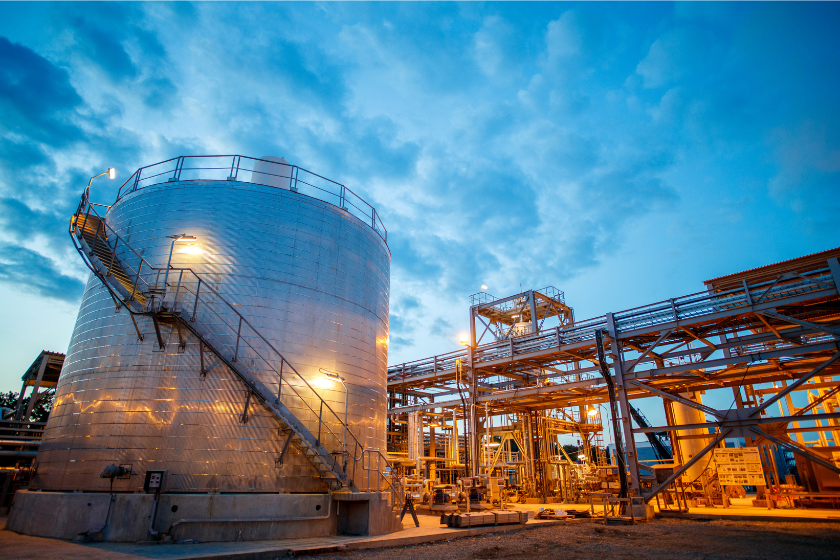
At the center of the disruption lies energy. The Strait of Hormuz handles approximately 20% of global oil supply, according to the U.S. Energy Information Administration. Even limited instability in this corridor has historically triggered sharp price volatility in both oil and liquefied natural gas (LNG) markets. Analysis from confirms that roughly one-fifth of global oil flows through this route, along with a critical share of LNG, making it a key vulnerability for global and European energy systems.
Despite the European Union’s efforts to diversify energy sources following the 2022 energy crisis, the system remains sensitive. Eurostat data shows that Greece imports over 70% of its total energy, making it one of the most import-dependent economies in the EU.
This dependency creates a direct transmission mechanism: geopolitical tension leads to higher energy prices, which drives inflationary pressure and ultimately reduces economic activity.
From Energy Shock to Economic Impact
The effects are already visible across key sectors:
Transport and logistics are facing margin compression due to rising fuel costs.
Manufacturing and food production are reprioritizing energy efficiency investments.
Tourism, which accounts for roughly 20% of Greece’s GDP according to the Bank of Greece, is highly vulnerable to fluctuations in travel costs and consumer confidence.
Airfare increases driven by jet fuel costs disproportionately affect middle-income travelers, a core segment of Greece’s tourism base. At the same time, broader geopolitical instability in the Eastern Mediterranean influences traveler perception, even in the absence of direct risk.
Investor sentiment reflects this uncertainty. According to , investor confidence has declined as geopolitical tensions cast doubt on the pace of economic recovery in the eurozone. This aligns with signals from the Sentix Investor Confidence Index, which has shown declines linked to concerns over persistent inflation and energy volatility. Additional analysis from the European Central Bank highlights similar risks tied to energy price fluctuations.
Why This Is an ESG Issue and Not Just a Crisis
This is where ESG shifts from theory to strategy.
For years, ESG has often been treated as a compliance requirement or branding exercise. However, recent crises—from COVID-19 to the 2022 energy shock—demonstrate that ESG is fundamentally about risk management and resilience.
1. Energy Strategy as Risk Mitigation
Companies that invested early in renewable energy and efficiency have shown greater stability. According to the International Energy Agency, diversified energy systems are significantly less exposed to fossil fuel price shocks.
2. Supply Chain Resilience
Geopolitical disruptions are accelerating trends such as nearshoring and supplier diversification. Research from the World Economic Forum and McKinsey shows that companies integrating ESG into supply chains recover faster and experience lower long-term volatility.
3. Tourism and Sustainability as a Competitive Advantage
Sustainability is increasingly influencing traveler decisions. Industry insights from platforms like ESG Dive and Trellis suggest that higher-income travelers, in particular, favor destinations with strong sustainability credentials. This trend is reinforced by findings from the Booking.com Sustainable Travel Report.
A Practical Perspective from the Market
In my work with multinational organizations across Europe and North America, a clear pattern has emerged:
Companies that embedded ESG into core strategy before crises:
- Respond faster to cost shocks
- Maintain more stable margins
- Make decisions with longer-term visibility
For example, firms that had already secured renewable energy contracts prior to 2022 avoided the full impact of wholesale electricity price spikes. Others that diversified suppliers geographically faced fewer disruptions during periods of geopolitical instability.
This is not theoretical. It is operational advantage.
What This Means for Greece and Europe
For Greece, the challenge is structural. High energy dependency, combined with economic reliance on tourism and imports, increases vulnerability to external shocks.
But this also creates an opportunity.
The current crisis reinforces three strategic priorities:
- Accelerating the energy transition
- Embedding ESG into core business strategy, not just reporting
- Building resilience through diversification and efficiency
At a European level, this aligns closely with frameworks such as the EU Green Deal and EU Taxonomy, which increasingly link sustainability with financial and operational performance.
Conclusion: ESG as a Competitive Necessity
The war in Iran is a reminder that volatility is no longer an exception—it is the operating environment.
Businesses that treat ESG as a peripheral initiative will remain reactive, exposed to shocks as they occur. Those that integrate ESG into strategy will be better positioned to anticipate, absorb, and adapt.
In this context, ESG is no longer about compliance or reputation.
It is about survival, stability, and long-term competitiveness.
The full article in greek media here







 English
  Greek
Greek