Beyond the Headlines on ESG Delays
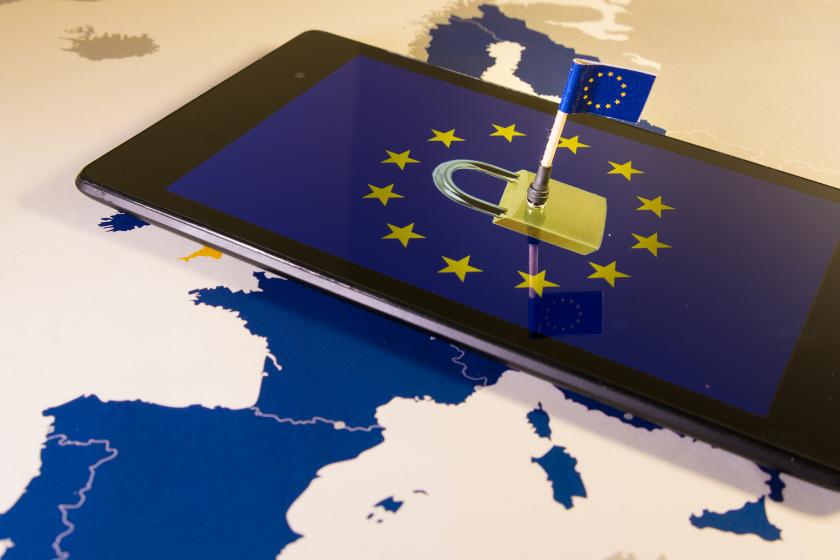
Behind media headlines referring to legislative delays and simplifications by the European Commission on ESG requirements, a different reality is taking shape.
ESG rules across the European Union are not being abandoned.
They are being redefined and embedded into the core of business operations and financing.
As Europe enters 2026, ESG is moving from a phase of expansion to a phase of implementation.
From Expansion to ESG Implementation
Climate risk is now widely recognized as a financial risk.
Supply chains are required to comply with binding due diligence rules.
At the same time, carbon border adjustment mechanisms are turning sustainability into a prerequisite for international trade.
The Five Key Trends Shaping the European Business Environment
1. From Expansion to Implementation and Simplification
The European Union is no longer adding new ESG legislation at the same pace.
Instead, the focus has shifted to implementation and simplification of existing rules.
-
Fewer new legislative acts are introduced
-
Greater emphasis is placed on quality of implementation and competitiveness
-
ESG regulations remain in force but become more functional
2. Supply Chain Due Diligence Becomes a Legal Obligation
With the upcoming implementation of the CSDDD and related national laws, supply chain sustainability in Europe is no longer optional.
Large companies with more than 5,000 employees are expected to demonstrate:
-
Human rights due diligence
-
Environmental risk management
-
Supplier traceability
-
Scope 3 emissions measurement
Technology, data platforms, and artificial intelligence tools become critical for managing compliance at scale, especially in complex and global value chains.
3. ESG Reporting and Assurance Become the Norm
In 2026, ESG reporting in Europe increasingly resembles financial reporting.
Limited assurance under CSRD is already mandatory, while demand continues to grow for:
-
Strong internal control systems
-
High-quality ESG data
-
Alignment between sustainability, finance, and internal and external audit teams
Organizations that do not treat sustainability data with the same rigor as financial data are exposed to regulatory, legal, and investor risks.
4. Circular Economy Moves from Policy Vision to Business Model
Europe continues to lead globally in circular economy policy.
However, 2026 marks the transition to practical implementation.
Circular strategies are adopted because they:
-
Reduce raw material and energy costs
-
Improve supply security
-
Support compliance with EU waste and product legislation
Sectors such as manufacturing, packaging, construction, retail, and logistics are integrating circularity directly into product design and operations.
5. Sustainability Jobs Shift Toward Specialization
The European Commission estimates that around 4 million people already work in the EU green economy.
By 2030, climate and energy policies are expected to create around 1 million additional jobs.
In 2026, the European sustainability job market favors specialists over generalists.
High-demand profiles include:
-
CSRD, ESRS, and Double Materiality specialists
-
Greenhouse gas emissions calculation experts
-
Sustainable finance and EU Taxonomy specialists
-
Experts in integrating artificial intelligence into sustainability
-
Sustainability data analysis and external assurance professionals
The focus shifts from awareness to execution, systems, and compliance.
SMEs at the Center and the Importance of Certified Training
Preparing for all the above trends requires the right tools, strategies, and certified expertise.
The international Certified Sustainability (ESG) Practitioner Program – Advanced Edition 2026 of the Centre for Sustainability and Excellence (CSE), with more than 11,000 certified sustainability professionals in 90 countries, will take place on 12–13 March in Athens.
It is an internationally recognized ESG certification that validates professional expertise in sustainability.
ESG Expectations Extend to SMEs
Finally, ESG expectations are expanding beyond large companies.
Small and medium-sized enterprises will face increasing pressure, either through supply chain requirements or through expectations from customers, investors, and banks.
For SMEs, ESG becomes central not only for compliance, but also for competitive strategy and long-term economic resilience.
Read the article here.







 English
  Greek
Greek