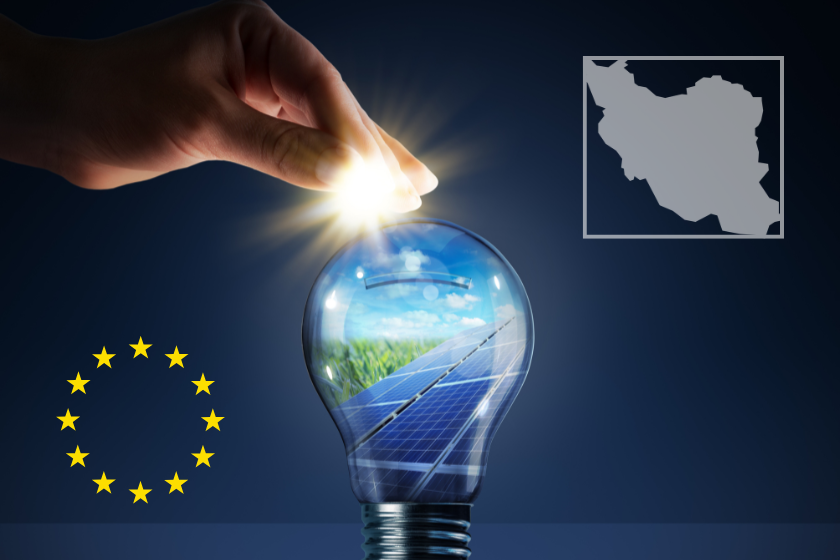
Introduction to Renewable Energy and Geopolitics
The geopolitical crisis triggered by the war in Ukraine has already redefined Europe’s energy priorities. Now, escalating tensions in the Middle East, particularly involving Iran and disruptions in the Strait of Hormuz, are further accelerating this shift.
According to the U.S. Energy Information Administration, nearly 20% of global oil supply passes through the Strait of Hormuz. Any instability in this region immediately impacts global energy prices and supply chains. This reality reinforces a critical conclusion I have emphasized for years in my advisory work: energy security today is inseparable from energy independence.
Europe’s effort to reduce dependence on fossil fuels, especially Russian natural gas, has already mobilized unprecedented investments in renewable energy. However, the Iran crisis adds urgency and strategic clarity. Renewable energy is no longer only a climate solution. It is a geopolitical necessity.
Benefits of Renewable Energy Investments
The transition to renewable energy delivers measurable strategic and economic benefits.
First, it strengthens national security. Countries that rely on domestic renewable energy sources reduce their exposure to geopolitical shocks. As highlighted by Reuters Sustainability, recent tensions in global shipping routes have already caused volatility in oil markets, underlining the risks of dependency on fossil fuel imports.
Second, renewable investments enhance economic resilience and competitiveness. The European Commission’s offshore renewable strategy supports large-scale projects such as the €5 billion offshore wind initiative in Denmark, accelerating development in the North Sea.
At the same time, the EU is advancing clean technology investments through initiatives such as the Net-Zero Industry Act, aiming to strengthen industrial production and secure energy autonomy. These investments are also designed to respond to global competition from the U.S. and China.
Third, renewable energy drives job creation and industrial growth. In Greece, national strategies aligned with EU policy aim to strengthen clean technology sectors such as photovoltaics and battery storage, enhancing competitiveness and supporting long-term economic resilience.
From my experience working with both public and private sector leaders, these investments create long-term value by lowering energy costs, reducing risk exposure, and enhancing ESG performance.
Practical Steps, Tools, or Best Practices
To accelerate this transition, coordinated action is required across governments and businesses.
First, infrastructure modernization is critical. According to the International Energy Agency World Energy Outlook, achieving global energy and climate targets will require massive investments in grids, storage, and electrification.
Second, companies must integrate sustainability into their core strategy. This means aligning with frameworks such as GRI, ESRS, and TCFD, while investing in energy efficiency and clean technologies. In my consulting work, I consistently see that organizations that embed ESG early outperform peers in both resilience and investor confidence.
Third, stable policy frameworks are essential. Across the European Union, recent regulatory reforms are creating clearer direction for the energy transition by strengthening carbon pricing mechanisms and accelerating renewable energy targets. This evolving policy landscape reduces investment uncertainty and sends a strong signal to markets that clean energy is now a long-term strategic priority.
Common Mistakes to Avoid
Despite strong momentum, several risks could slow progress.
One critical gap is energy storage. The IEA electricity grids and storage insights highlight that without rapid expansion of storage capacity, renewable integration will face significant limitations.
Another challenge is fragmented policymaking across EU member states. Lack of coordination increases costs and delays project implementation.
Finally, social acceptance remains a key issue. Large-scale renewable projects often face local resistance. A just and inclusive transition is essential to ensure long-term success.
Greece’s Strategic Opportunity
Greece is uniquely positioned in this evolving energy landscape. With abundant solar and wind resources, it can become a regional energy hub in Southeast Europe.
However, the priority must be clear: rapid acceleration toward energy independence through renewable energy.
According to Eurostat renewable energy statistics, countries like Sweden, Denmark, and Finland already exceed 50% renewable energy use in total consumption. Greece has made progress, but significant investment is still required to reach similar levels.
There is no better time to act. Instead of relying on short-term subsidies, Greece must prioritize structural investments in renewable infrastructure. This approach will reduce energy costs sustainably while strengthening economic competitiveness.
The Bigger Picture: Energy Transition as a Strategic Imperative
The Iran crisis is not an isolated event. It is part of a broader pattern of geopolitical instability that is reshaping global energy systems.
In my experience working with global organizations and policy frameworks, countries that lead in clean energy adoption are gaining a clear strategic advantage. Renewable energy is no longer just a climate priority. It is becoming a cornerstone of economic security and geopolitical stability.
From my perspective, this is a defining moment. Governments and businesses must move decisively toward a low-carbon, energy-independent future.
Those who invest now in renewable energy and clean technologies will not only mitigate risk but also position themselves at the forefront of the global economy.
FAQs
What is renewable energy in simple terms?
Renewable energy comes from natural sources like sunlight, wind, and water that are constantly replenished. It replaces fossil fuels and supports both environmental protection and energy security.
How long does it take to transition to renewable energy?
The transition typically takes years or decades. However, geopolitical crises such as the Iran conflict are accelerating investments and policy decisions, shortening timelines significantly.
Is renewable energy worth it for businesses?
Yes. Renewable energy reduces long-term costs, protects against price volatility, and improves ESG performance. It also enhances competitiveness as global markets shift toward sustainability.
Read my article on the subject here, published in Kathimerini






 English
  Greek
Greek